

Line Reactor vs. Load Reactor: Differences and How to Choose
Oct 21, 2026
Leave a message
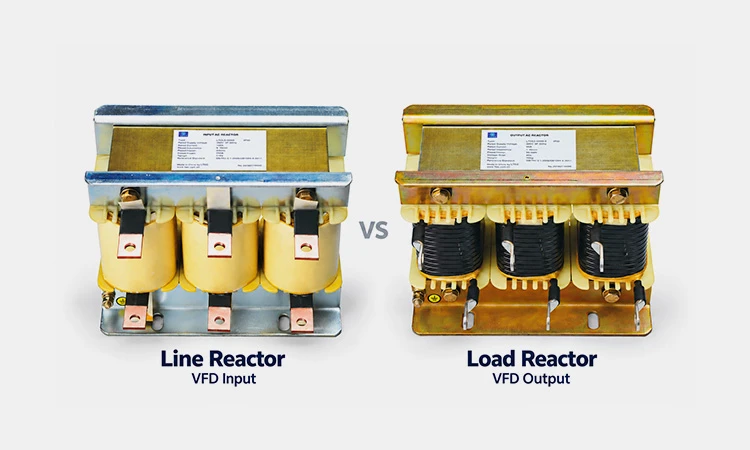
When selecting a reactor for a variable frequency drive (VFD), the first question is often: should it go before the drive or between the drive and the motor?
Both positions are common, but they serve different purposes. A line reactor connects to the VFD's power input. A load reactor connects to its motor output. Choosing the right one starts with understanding where the problem originates and what equipment needs protection.
This guide explains their differences, when you might need either or both, and which details to check before ordering.
Table of Contents
1. What Do Line and Load Mean in a VFD System?
2. What Is a Line Reactor?
3. What Is a Load Reactor?
4. Line Reactor vs. Load Reactor: Key Differences
5. Do You Need a Line Reactor, a Load Reactor, or Both?
6. How to Select the Right Reactor
Conclusion: Find the Right Reactor for Your VFD System
Frequently Asked Questions
1. What Do Line and Load Mean in a VFD System?
The terms "line" and "load" describe the two sides of the drive.
The line side receives incoming AC power from the electrical supply. The load side delivers the VFD's controlled output to the motor.
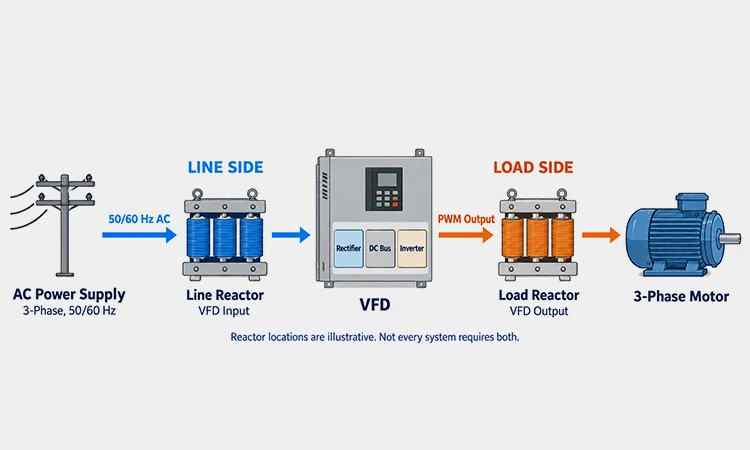
Their positions follow this sequence:
Power supply → Line reactor → VFD → Load reactor → Motor
This arrangement shows the possible locations of both reactors. It does not mean every installation requires both.
The electrical conditions also differ. The input normally receives 50 or 60 Hz AC power, while the output carries a pulse-width-modulated (PWM) waveform that produces the motor's operating fundamental frequency.
That difference matters when selecting a reactor, even when two products look similar.
2. What Is a Line Reactor?
A line reactor is an inductor connected in series between the power supply and the VFD. It adds impedance to the input circuit, helping moderate rapid current changes.
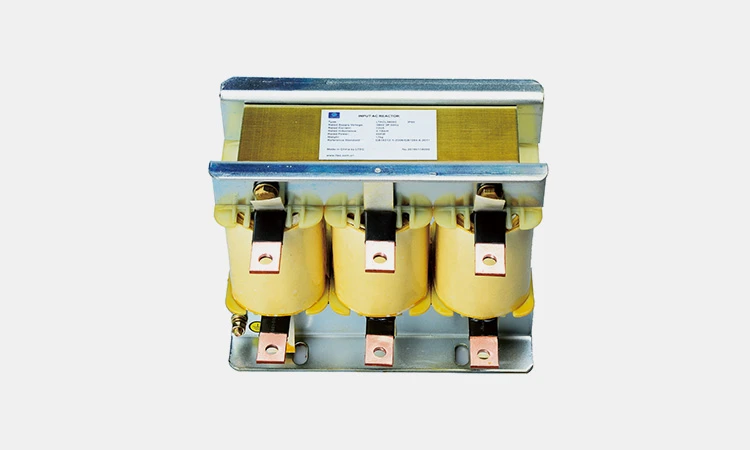
For conventional six-pulse drives, a line reactor can reduce input current distortion and help reduce the effects of certain supply disturbances. It may also reduce some nuisance trips associated with those disturbances.
Consider a factory where several drives and other large loads share a distribution system. Switching events and supply conditions may affect drive operation. An input reactor can be part of the solution, after assessing the actual cause.
However, it has limits. A line reactor does not regulate the supply voltage, correct every voltage dip, or replace a surge protective device. It also does not guarantee compliance with a harmonic standard.
Before adding one, check whether the drive already includes an AC input reactor or DC choke. Existing impedance can influence the benefit of an additional reactor and the available voltage at the drive.
3. What Is a Load Reactor?
A load reactor, also called an output reactor, is installed between the VFD and the motor.
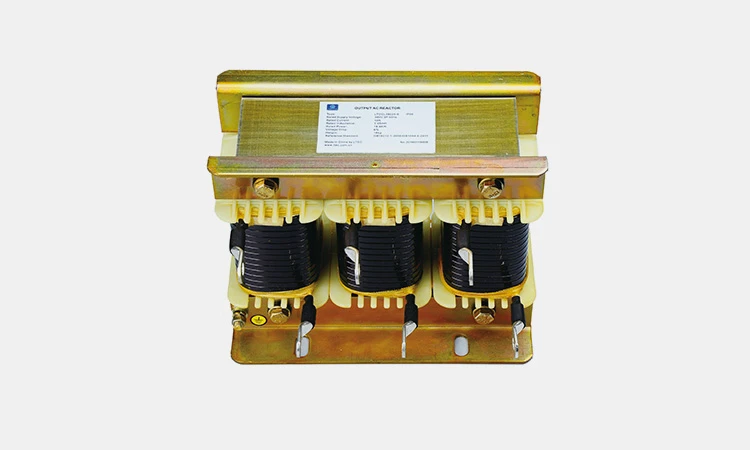
The drive's PWM output contains rapid switching transitions. The interaction between this output, the motor cable, and the motor can create additional electrical stress, particularly as cable length increases.
A suitably designed output reactor can help moderate current changes and reduce certain cable-related effects. Its performance depends on the complete installation, including the drive's switching characteristics, cable properties, and motor insulation.
For example, a motor located far from its drive cabinet may need additional output protection. The correct solution could be a load reactor, a dv/dt filter, or a sine wave filter, depending on the required performance.
These devices should not be treated as interchangeable. An ordinary load reactor does not turn PWM voltage into a sinusoidal waveform or automatically provide adequate protection for every long cable.
Check the drive manufacturer's cable-length guidance and the reactor's stated application limits before selecting an output device.
4. Line Reactor vs. Load Reactor: Key Differences
The most useful distinction is the problem each reactor is intended to address.
|
Line Reactor |
Load Reactor |
|
|
Installation |
Between supply and VFD |
Between VFD and motor |
|
Electrical environment |
Incoming AC supply |
PWM drive output |
|
Main purpose |
Moderate input current changes and reduce certain supply-related effects |
Manage output current changes and certain cable-related effects |
|
Harmonic role |
Can reduce input current distortion in conventional rectifier drives |
Is not selected primarily to reduce supply-side harmonics |
|
Important selection details |
Input current, voltage, supply conditions, and existing impedance |
Motor current, output frequency, switching frequency, and cable length |
|
Main limitation |
Does not provide complete power-quality correction |
Does not replace every type of motor-protection filter |
Some manufacturers offer reactors rated for both locations. Others provide application-specific designs. Always confirm suitability from the technical documentation rather than assuming that matching voltage and current ratings are sufficient.
5. Do You Need a Line Reactor, a Load Reactor, or Both?
Start with the symptoms and operating conditions of your system.
When to Evaluate a Line Reactor
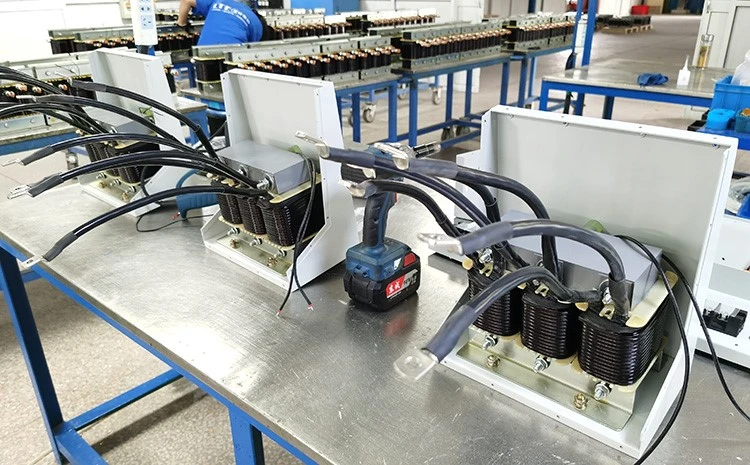
An input-side assessment is appropriate when your concerns include input current harmonics, certain supply disturbances, or drive trips associated with incoming power conditions.
Check the supply transformer, drive configuration, and existing AC or DC impedance. A drive connected to a strong supply may have different requirements from one supplied through a smaller transformer.
If harmonic compliance is the objective, evaluate the complete installation. Adding a reactor alone may not achieve the required result.
When to Evaluate a Load Reactor
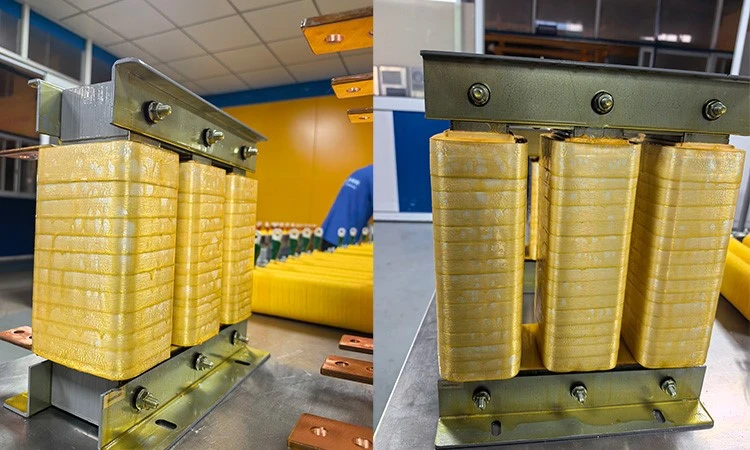
Focus on the output side when the concern involves motor cable length, cable charging effects, or electrical stress at the motor.
Review the VFD's permitted cable length, motor insulation requirements, and output switching frequency. Then compare the performance limits of available output reactors and filters.
There is no single cable-length threshold that applies to every drive, cable, and motor combination.
When Both May Be Appropriate
Some installations have separate input and output concerns. For example, a drive may share a disturbed supply while operating a motor through a long cable.
In that situation, input and output measures may both be justified. Each device should be selected for its own purpose.
When an Additional Reactor May Be Unnecessary
If the drive already has suitable impedance and operates within its specified conditions, another reactor may offer limited benefit.
Identify the cause of a problem before ordering equipment. Overheating, trips or motor noise can have causes that a reactor will not resolve.
6. How to Select the Right Reactor
When selecting reactors for frequency converters, provide more than motor power in kilowatts or horsepower. Include the operating conditions that determine the reactor's electrical and thermal requirements.
Confirm the Installation Side and Current
State whether the reactor will be installed at the input or output.
Select the current rating using the applicable drive and reactor manufacturer's guidance. Include continuous operating current, overload duty, and any required derating. Motor power alone is insufficient when operating conditions vary.
Check Voltage and Frequency Ratings
Confirm the system voltage and supply frequency.
For output applications, also provide the drive's output frequency range and switching frequency. A reactor suitable for mains-frequency service is not automatically suitable for a PWM output.
Specify Impedance or Inductance
Common input-reactor options include 3% and 5% impedance, but a higher percentage is not automatically better.
Additional impedance can improve current smoothing while also affecting voltage drop and system operation. The stated percentage depends on defined voltage, current, and frequency conditions, so compare ratings on the same basis.
Include Installation Conditions
Provide ambient temperature, altitude, enclosure type, and available ventilation. These conditions affect cooling and may require derating.
For output applications, include motor cable length, cable type, motor insulation information, and the VFD model. These details help determine whether a reactor is sufficient or another filter is needed.
Ask the supplier to confirm losses, temperature rise, dimensions, and installation clearances before final approval.
Conclusion: Find the Right Reactor for Your VFD System
Choosing between a line reactor and a load reactor starts with the installation side and the problem you need to address.
For application support from LTREACTOR, share your VFD model, voltage, operating current, installation position, and motor cable length. These details provide a practical starting point for reviewing reactor requirements and selecting a suitable design.
Explore LTREACTOR's converter solutions for related drive-system components and filtering options. Or contact our TEAM for more!
Frequently Asked Questions
Q1:Can a Line Reactor Be Used as a Load Reactor?
Only when the manufacturer confirms that the reactor is suitable for output service. Some products are rated for both input and output use, but PWM operation introduces additional requirements. Check switching-frequency limits, insulation, thermal performance, and permitted cable conditions. Similar appearance or identical current ratings do not establish suitability.
Q2:Does Every VFD Need a Reactor?
No. The need depends on the drive's design, existing AC or DC impedance, supply characteristics, motor cable, and application requirements. Follow the drive manufacturer's recommendations and assess the actual installation. A reactor should address an identified requirement rather than be added automatically to every system.
Q3:Is a Load Reactor the Same as a dv/dt Filter?
No. A load reactor adds inductance, while a dv/dt filter is designed to control output voltage rise and associated motor-terminal stress within specified conditions. Their capabilities can overlap, but their performance is not identical. Select the device according to the required protection and the manufacturer's documented limits.
Q4:Should I Choose a 3% or 5% Line Reactor?
The choice depends on the drive, supply conditions, and existing system impedance. A 5% reactor generally provides greater input current smoothing than a 3% reactor under comparable conditions, but also introduces more voltage drop. Check the VFD manufacturer's recommendations and available input voltage before selecting. Neither option guarantees harmonic compliance on its own.
Q5:Can a Load Reactor Reduce Motor Noise?
A suitable load reactor may reduce certain high-frequency current components and associated motor noise, but the result depends on the drive, motor, and operating conditions. It will not resolve mechanical noise from bearings, misalignment, or loose components. Identify the noise source first, then assess whether an output reactor or another filtering solution is appropriate.