

Transformers not only ensure the safety of power systems but also help them operate efficiently. In daily life, transformers are indispensable. They not only efficiently transmit electrical energy from one end to the other but also convert voltage between the input and output terminals, including step-up and step-down conversions.
Both step-up and step-down conversions have specific applications. This post primarily explains what a transformer is, compares step-up and step-down transformers, and explores basic principles of power transmission.
1. What Is A Step-Up Transformer?
2. How Step-Up Transformer Work?
3. What Are The Typical Cases for a Step-Up Transformer?
4. What Is A Step-Down Transformer?
5. How Step-Down Transformers Work?
6. What Are The Typical Use Cases for Step-Down Transformers?
7. Why Do You Use Step-Up and Step-Down Transformers?
8. Can Transformers Be Used in Reverse?
9. What Are The Practical Limitations of Reversibility?
10. What Are The Scenarios Where Reversibility Is Useful?
11. Step-Up VS Step-Down Transformers: What Is The Difference?
12. What Are The Design Differences Between Step-Up and Step-Down Transformers?
13. Step-Up VS Step-Down Transformer Price
14. What Are The Safety Considerations When Using a Transformer?
15. What Are The Proper Installation and Maintenance of Step-Up and Step-Down Transformers?
16. What Are The Importance of Using The Correct Transformer?
17. What Are The Factors to Consider When Choosing Between Step-Up and Step-Down Transformers?

What Is A Step-Up Transformer-sourced: electricalampere
A step-up transformer is a type of transformer whose primary voltage is lower than its secondary voltage. Its main function is to increase the input voltage and transmit it to the load. In long-distance power transmission, if the current and voltage are too low, the transmission efficiency is low.
To improve current transmission efficiency, a step-up transformer can increase the input voltage, facilitating current transmission. Therefore, step-up transformers are crucial. Furthermore, "step-up" refers to the method of using the transformer, not its type.

How Step-Up Transformer Work-sourced: engineersguidebook
When current passes through a step-up transformer, the voltage between the primary and secondary windings is increased, thus boosting the current output voltage. This results in a higher voltage at the output, maximizing current transmission efficiency and minimizing energy loss.
In power plants, the generated current and voltage are generally lower. To facilitate long-distance transmission and reduce energy loss, step-up transformers increase the voltage generated by the power plant, thereby improving current transmission efficiency.
Step-up transformers are used in various power industries to ensure efficient long-distance power transmission. Application scenarios include:
Traditional Power Generation
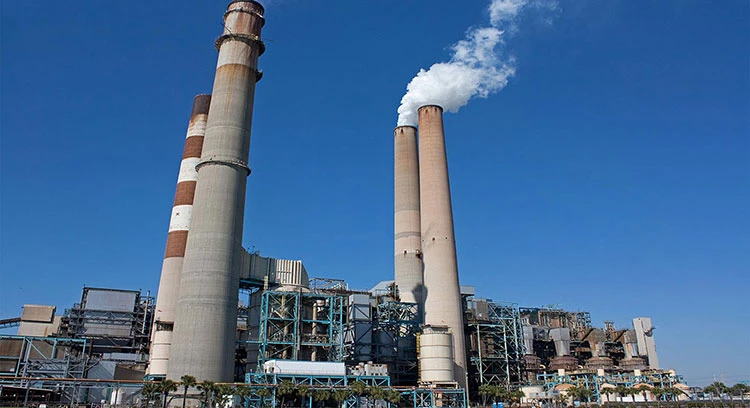
Traditional Power Generation-sourced: studentenergy
Traditional power generation methods worldwide include coal, natural gas, hydropower, and nuclear power. Because the generated current and voltage are relatively low, step-up transformers can boost the voltage of the generated current for long-distance power transmission. This facilitates current transmission in high-voltage transmission lines and reduces energy loss.
New Energy Grid Connection

New Energy Grid Connection-sourced: niras
New energy sources include solar, wind, and geothermal energy. Because they are far from load centers, step-up transformers can transmit the generated electricity to more distant locations by stepping up the voltage, improving utilization efficiency. This provides a guarantee for the development and utilization of new energy sources.
Specialty Industrial Sectors

Specialty Industrial Sectors-sourced: wallstreetmojo
Specialty industrial sectors include heavy industries such as mining and metallurgy. They require a large number of step-up transformers to provide power to large machinery. Step-up transformers ensure efficient utilization of electrical energy by on-site equipment and guarantee the stable and safe operation of the equipment.

What Is A Step-Down Transformer-sourced: theorycircuit
A step-down transformer is specifically designed to convert high-voltage current into low-voltage current. Its purpose is to transform the current in high-voltage transmission lines into a current suitable for use in homes and commercial settings. Because voltage requirements vary in different circuits, the applications of step-down transformers also differ. Different configurations of step-down transformers can be provided to meet the specific needs of users.

How Step-Down Transformers Work-sourced: vedantu
When current passes through a step-down transformer, because the primary winding has more turns than the secondary winding, the voltage decreases and the current increases when the current passes through the output terminal. This adjusts the high voltage to a low voltage suitable for home or industrial use, ensuring safety and stability.
Unlike step-up transformers, step-down transformers are more suitable for everyday use. Their applications include:
Residential Areas

Residential Areas-sourced: solarmagazine
Residential areas generally have lower voltage requirements. Household appliances operate on lower voltage levels. Therefore, the voltage of transmission lines must be stepped down to meet the needs of residential areas, ensuring the safety of residential circuits.
Commercial and Industrial Buildings

Commercial and Industrial Buildings-sourced: capstonecre
Businesses and factories use slightly higher voltages than households, but lower than the main transmission lines and high-voltage lines. Step-down transformers reduce the voltage in high-voltage transmission lines to meet the voltage levels required by industrial and commercial buildings. This prevents damage to precision equipment and ensures the safety and stability of the equipment's power supply.
Electric Vehicle Charging Stations

Electric Vehicle Charging Stations-sourced: macelectricco
Electric vehicle charging stations typically require voltage levels ranging from 120 volts to 800 volts. Step-down transformers need to reduce the high voltage of high-voltage transmission lines and main transmission lines to between 120 volts and 800 volts to ensure stable and efficient charging of electric vehicles.

Why Do You Use Step-Up and Step-Down Transformers-sourced: geeksforgeeks
The use of step-up and step-down transformers is essential. They enable the step-up and step-down of electricity for long-distance transmission, maximizing energy utilization for users with minimal energy loss.
By stepping up the current generated by the power plant, long-distance transmission is facilitated. Then, by stepping down the voltage through transformers, the needs of different users are met. This not only improves energy utilization efficiency but also maintains a stable and convenient power supply.

Can Transformers Be Used in Reverse-sourced: maddox
This can be achieved by changing the way the input source is connected. If the output of the transformer is connected to the secondary winding with fewer turns, the step-up transformer becomes a step-down transformer. Similarly, if the input is connected to the secondary winding of a step-down transformer, it becomes a step-up transformer.

What Are The Practical Limitations of Reversibility-sourced: tesyes
While the reverse operation of a transformer is possible, it still faces limitations, such as low efficiency. By reversing the transformer, it deviates from its intended use and purpose, resulting in energy waste.
This is because the transformer's insulation and cooling systems cannot withstand reverse operation, accelerating wear on internal components and making the transformer unable to handle the additional current it was originally designed to handle.
The following usage scenarios can enhance the performance of reverse-connected transformers. These include:
Temporary Power Supply

Temporary Power Supply-sourced: atexsupply
When a temporary power supply has specific voltage requirements and necessitates a step-up transformer, but only a step-down transformer is available, reversing the transformer can solve this problem.
Testing and Experimentation
Before leaving the factory, designers and professional operators will reverse-connect the transformer to study its characteristics and operational functions.
Emergency Situations
To improve the flexibility of transformer use, in emergencies, you can reverse the transformer to quickly resolve voltage issues. If the problem is resolved, other methods can then be used to correct the transformer's voltage.
Both step-up and step-down transformers are highly efficient and stable. Their main differences include:
Voltage and Current Characteristics

Voltage and Current Characteristics-sourced: ck12
Step-up transformers primarily increase voltage and decrease current. Step-down transformers primarily increase current by decreasing voltage.
Main Functions
The main function of a step-up transformer is to increase the input voltage, reducing losses during power transmission. A step-down transformer primarily reduces the output voltage, making it easier to distribute current to users with different needs.
Key Components
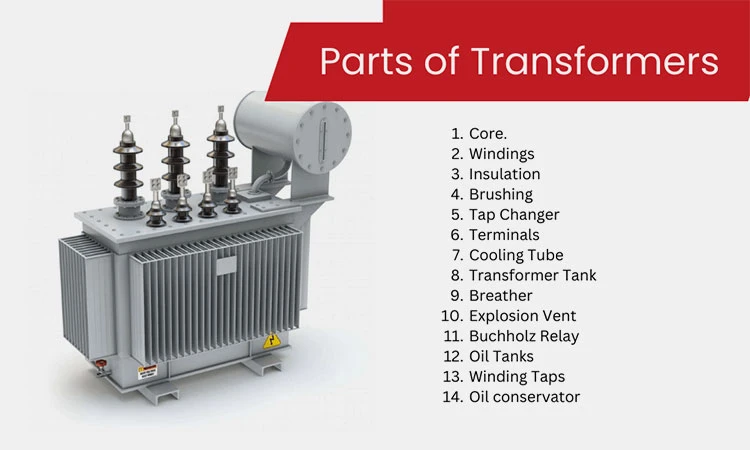
Key Components-sourced: stardelta
Step-up transformers primarily increase voltage through electromagnetic flux and induction. Their secondary winding has more turns than their primary winding.
Step-down transformers primarily decrease voltage through electromagnetic flux and induction; therefore, their secondary winding has fewer turns than their primary winding.
Voltage Variation

Voltage Variation-sourced: sciencedirect
Step-up transformers are used to increase voltage, suitable for long-distance transmission lines, reducing power losses. Step-down transformers are suitable for individual power users and businesses, meeting the voltage requirements of different regions.
Current Variation
While step-up transformers can increase voltage, the current will decrease. While step-down transformers reduce voltage, they increase current.
Winding Ratio
Step-up transformers have fewer turns in their primary winding than their secondary winding, ensuring a voltage increase as current flows from the primary to the secondary winding. Conversely, step-down transformers have more turns in their primary winding than in their secondary winding to facilitate voltage reduction.
There are design differences between step-up and step-down transformers. These differences manifest in inverters, harmonics, DC bias, overload, and bidirectionality. Specifically:
Winding and Voltage Tap Position

Winding and Voltage Tap Position-sourced: maddox
Step-up transformers typically place the high-voltage winding externally and the low-voltage winding internally.
Vector Grouping

Vector Grouping-sourced: vietnamtransformer
Low-voltage transformers usually use delta or novel vector grouping. Step-down transformers typically use delta vector grouping.
Due to differences in design and application, step-up transformers are generally more expensive than step-down transformers, depending on the insulation class and robust construction used in their design.
Efficiency and Power Loss

Efficiency and Power Loss-sourced: instrumentationtools
Generally, step-up transformers are more efficient because they reduce the current, thus minimizing current loss during transmission. Conversely, step-down transformers increase the current, resulting in greater current loss.
When using transformers, it is important to be aware of the risks and take preventive measures. These include:
Overload and Overheating
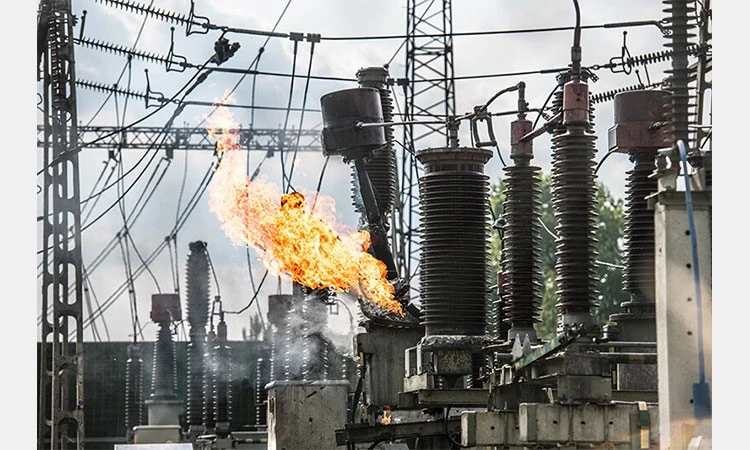
Overload and Overheating-sourced: transformermfg
If a transformer handles current and power exceeding its rated frequency, it can lead to overheating and overload risks. This can ultimately damage internal components, rendering the equipment inoperable and causing malfunctions. Overheating can also cause the internal insulation to break down.
Poor Cooling
Overload can easily lead to internal overheating, damaging the insulation layer and resulting in poor cooling. To prevent these problems, after the transformer is installed, check the power load and equip it with a good cooling system.
Proper installation and maintenance can extend the lifespan of equipment. Specific measures include:
Installing the equipment in a dry, well-ventilated location

Installing the equipment in a dry, well-ventilated location-sourced: taishantransformer
Installing the equipment in a dry, well-ventilated location effectively prevents moisture damage and avoids electrical malfunctions. During later maintenance, regularly check that all connections are tight.
Regular cleaning

Regular cleaning-sourced: vietnamtransformer
Regularly clean the cooling system to prevent dust from clogging ventilation ducts, which can cause overheating or malfunctions. Check for worn or loose parts, and replace or adjust them promptly.
Choosing the right transformer is crucial, especially when selecting step-up and step-down transformers. Incorrect use of transformers can easily lead to equipment failure or damage.
Distinguishing Between Step-up and Step-down Transformers
Step-up and step-down transformers must not be used interchangeably and must be clearly distinguished. Otherwise, using the wrong transformer will not only waste energy but also damage equipment.
Safe Use of Transformers

Safe Use of Transformers-sourced: weishoelec
You need to use transformers correctly according to relevant regulations and safety rules. This will not only prevent electrical failures but also reduce the risk of fire and equipment damage.
When selecting step-up and step-down transformers, you need to consider the following:
Voltage and Current Requirements

Voltage and Current Requirements-sourced: fuelcellstore
The transformer you choose must meet the voltage and current requirements of your power system. Different transformers have different ratings, so the transformer you use should be compatible with the voltage and current in your system.
Cost and Maintenance Requirements
Transformers provide step-up and step-down capabilities for your power system, but factors such as cost and maintenance must also be considered when using them. This ensures maximum and most efficient use of electricity with minimal energy loss.
Step-up and step-down transformers are crucial components of modern power systems. By increasing the voltage from power plants to deliver electricity to users and decreasing the voltage, they not only achieve efficient power transmission and distribution but also ensure the safety of electricity use at the user's end. If you have any further questions about step-up and step-down transformers, please feel free to contact us.


