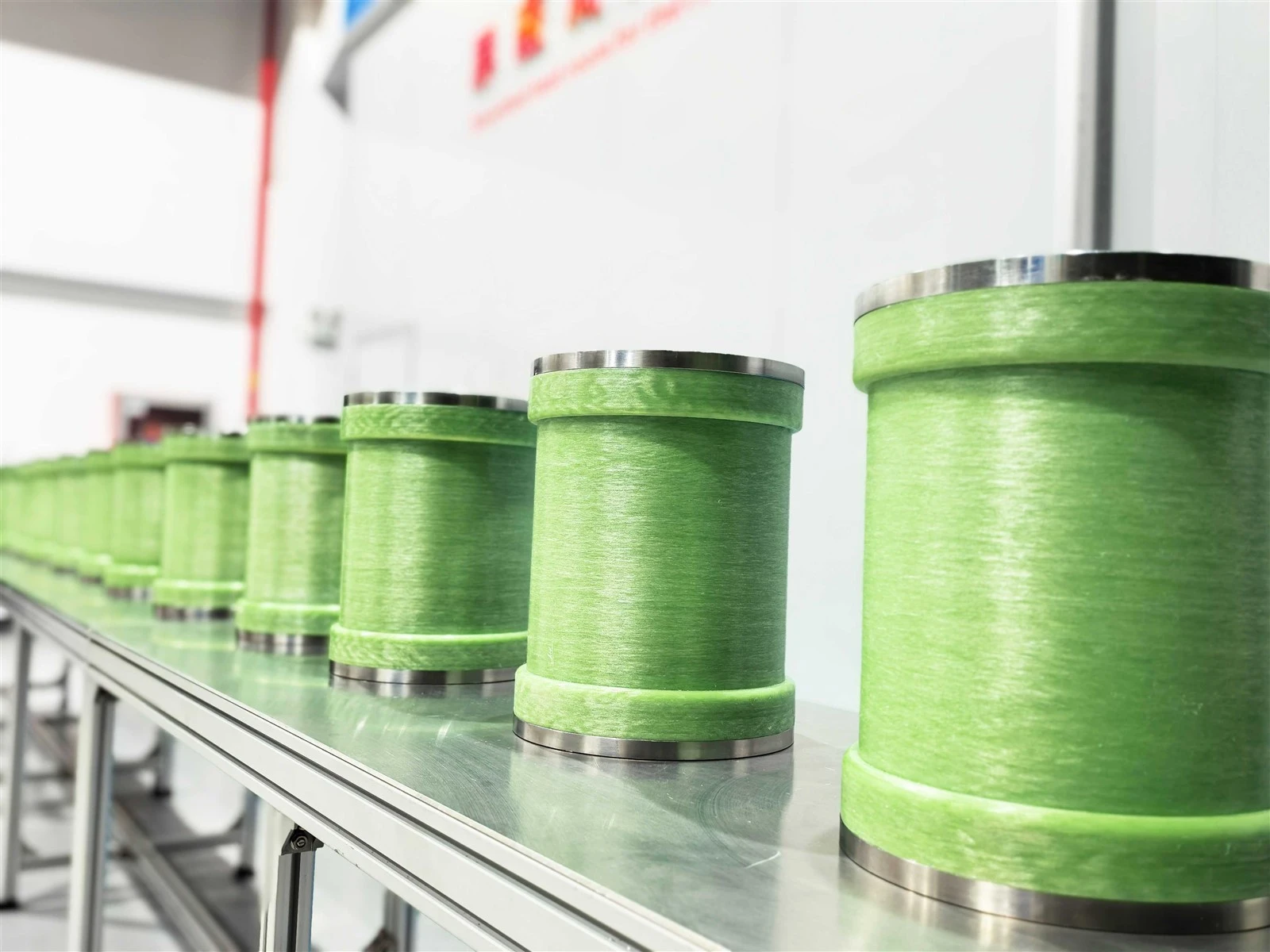
Grading / Protective Equalizing capacitors for circuit breakers
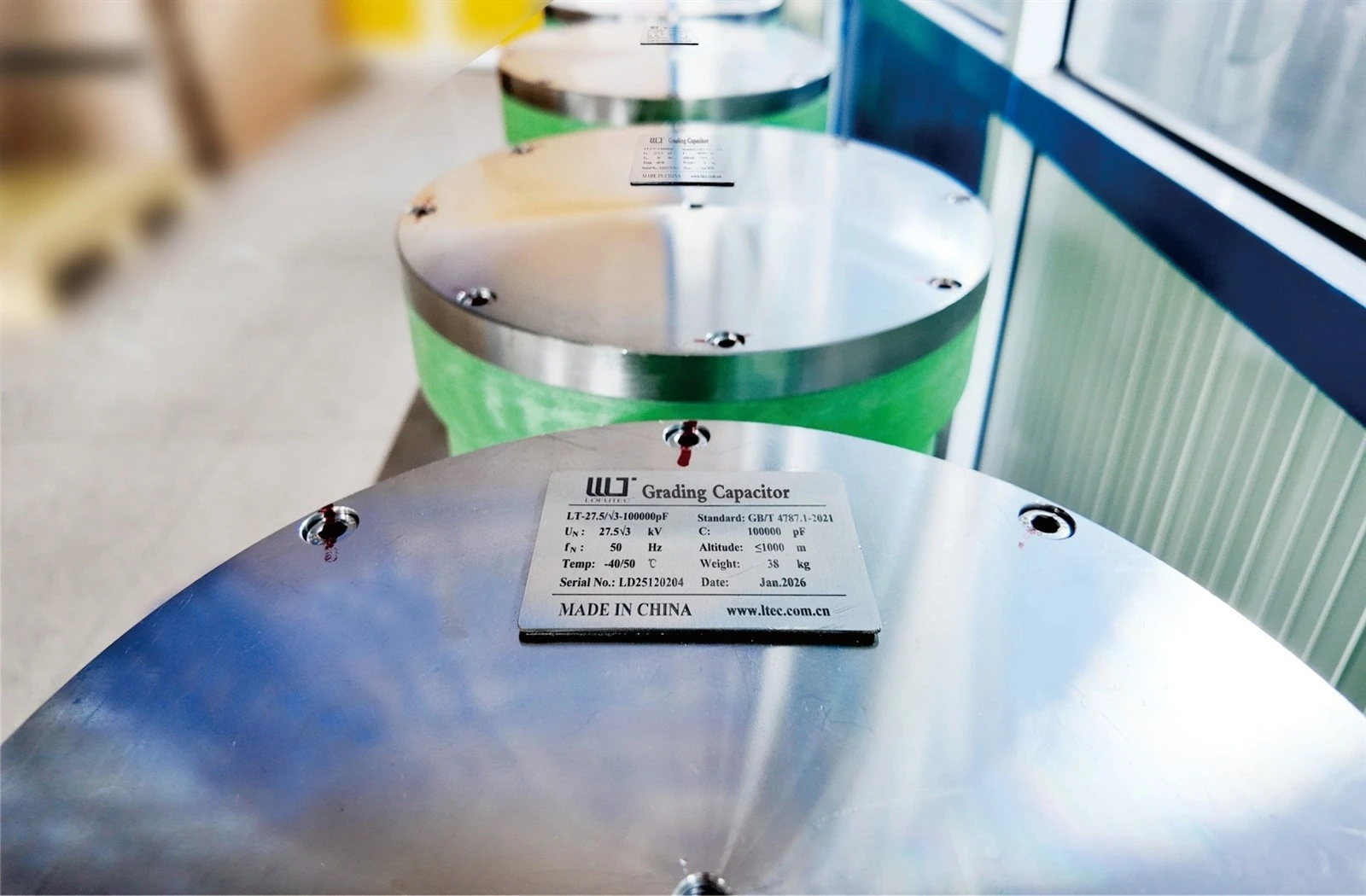
Protective equalizing capacitors, often referred to as grading capacitors, are used in high-voltage circuit breakers (HV CBs) to distribute transient recovery voltage (TRV) evenly across multiple breaking contacts. These components are connected in parallel with the interrupter contacts, preventing excessive voltage stress on a single contact and enhancing interrupting performance
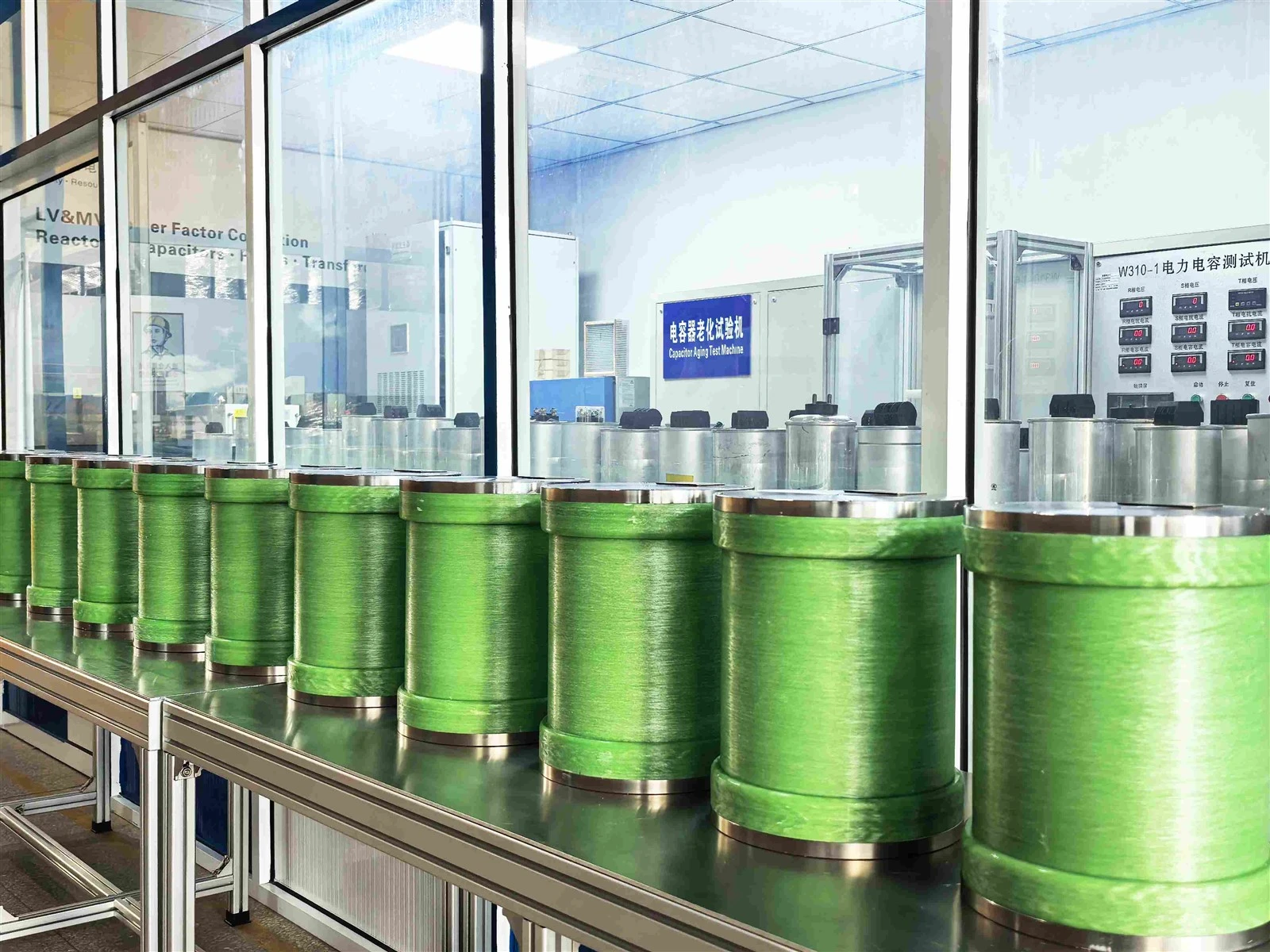
Grading capacitors control the voltage distribution in multi-unit circuit breakers
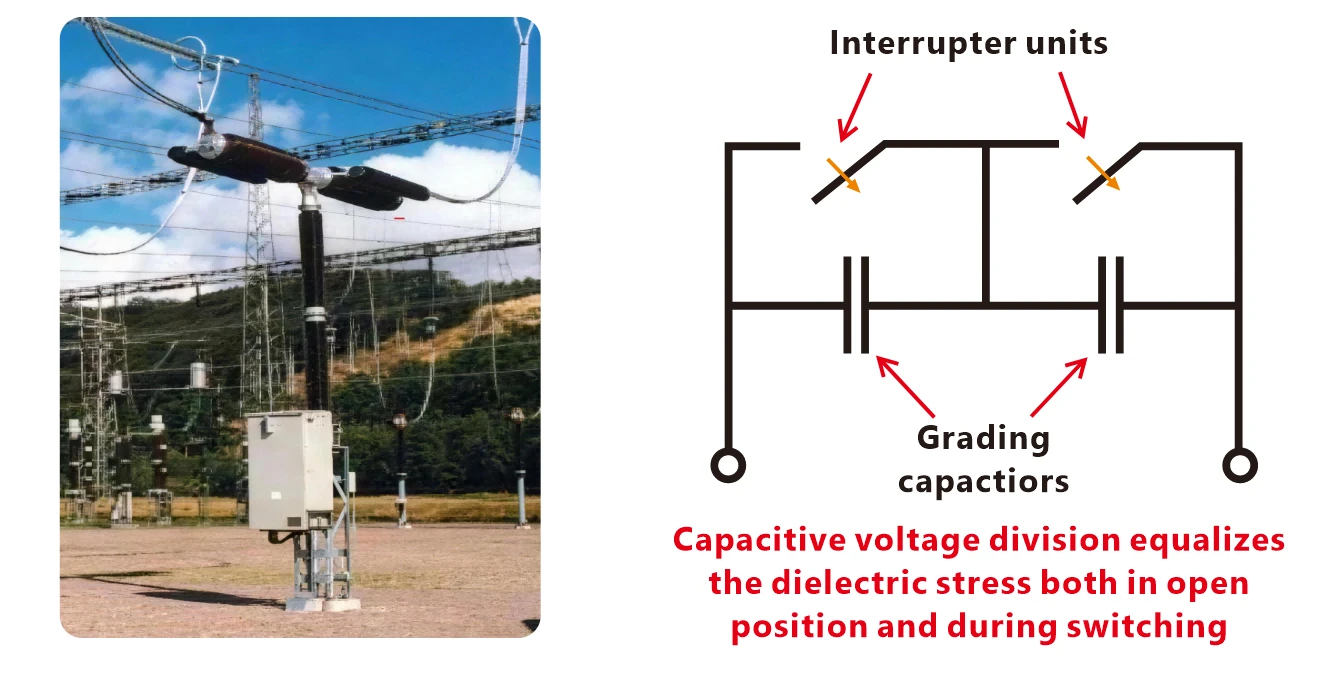
Key Aspects of Protective Equalizing Capacitors:
Voltage Grading:
When circuit breakers with multiple breaks per phase open, these capacitors ensure the total voltage is divided equally, protecting contacts from premature failure.
Transient Suppression:
They mitigate the rate of rise of recovery voltage (RRRV), reducing the severity of switching, especially under long-line or short-line fault conditions.
Design Characteristics:
Typically used in MV (Medium Voltage) to UHV (Ultra-High Voltage) applications, they feature all-film technology with internal discharge devices, internal fuses with
weak points for protection, and touch-proof terminals.
Application:
Commonly applied in SF6, dead-tank, and other high-voltage circuit breakers to prevent flashover across the contact gap.
Performance Impact:
Besides voltage balancing, they can suppress secondary arc currents and improve the overall interrupting capability of the breaker.