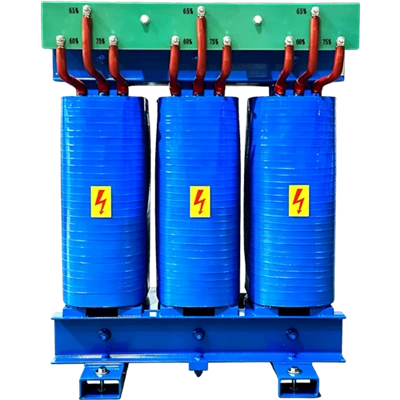


When comparing transformer quotations, you probably check the power rating and voltage first. Then you notice a code such as Dyn11 or Yyn0. What does it mean-and does it need to match your existing transformer?
The transformer vector group describes the winding connections and the phase relationship between the high-voltage and low-voltage sides. Understanding it helps you ask the right questions before ordering a new unit or replacing an existing one.
This guide explains how to read these codes and what to check for your project.
1. What Is a Transformer Vector Group?

What Is an Electric Reactor, And The Future Market Context-sourced: energy
A transformer vector group is a code that tells you how the high-voltage and low-voltage windings are connected and how their voltage waveforms align in time. It also indicates whether a neutral terminal is available.
You will usually find this code on the transformer's nameplate, datasheet, or project specification. It identifies three things:
- Winding connections: delta, star, or zigzag.
- Neutral availability: whether a winding's neutral point is brought out to a terminal.
- Phase displacement: the angular relationship between the high-voltage and low-voltage sides.
Why does this matter when buying a transformer? Two units can have the same kVA rating and voltage ratio but different vector groups. Before accepting a replacement, confirm that its connections and phase relationship suit your system.

2. How to Read Dyn11 on a Transformer Nameplate
If your specification calls for Dyn11, each part of the code gives you a different piece of information:
| Symbol | Meaning |
| D | The high-voltage winding is connected in delta. |
| y | The low-voltage winding is connected in star, also called wye. |
| n | The low-voltage neutral point is brought out to a terminal. |
| 11 | The phase displacement follows clock position 11, meaning the low-voltage side leads the high-voltage side by 30°. |
Two details are easy to overlook. Uppercase and lowercase letters identify the high-voltage and low-voltage windings, respectively-not necessarily the input and output sides in every application.
Also, "n" means a neutral terminal is available; it does not mean that terminal is already grounded. Its grounding arrangement must follow the project's system design.
When reviewing a quotation, check the complete code. A transformer marked Dyn1 has a different phase displacement from Dyn11, even though the winding connections and neutral availability are the same.

3. What Do the Clock Numbers Mean?
The clock number makes phase displacement easier to visualize. Imagine the high-voltage reference phasor pointing to 12 o'clock. The corresponding low-voltage phasor points to the position shown in the vector group code.
Each hour represents 30 electrical degrees:
| Clock Number | Low-Voltage Phase Relationship |
| 0 | In phase with the high-voltage reference |
| 1 | Lags the high-voltage reference by 30° |
| 11 | Leads the high-voltage reference by 30° |
For Dyn11, position 11 is one hour counterclockwise from 12, representing a 30° lead. For Dyn1, position 1 represents a 30° lag.
These numbers describe the relationship between the two sides-not a delay caused by a fault. For your project, the key is to confirm that this relationship matches the system design, especially when replacing a transformer or planning parallel operation.

4. Dyn11 vs. Dyn1 vs. Yyn0
When comparing these vector groups, look at both the winding connections and the clock number. A similar code does not mean the transformers are interchangeable.
| Vector Group | High-Voltage Connection | Low-Voltage Connection | LV Neutral Available | LV Phase Displacement |
| Dyn11 | Delta | Star | Yes | Leads HV by 30° |
| Dyn1 | Delta | Star | Yes | Lags HV by 30° |
| Yyn0 | Star | Star | Yes | 0° |
Dyn11 and Dyn1 share the same connection types, but their phase relationships differ. If your specification requires Dyn11, a Dyn1 quotation needs technical clarification before acceptance.
Yyn0 changes the high-voltage connection as well as the phase displacement. Its suitability for unbalanced loads and grounding requirements depends on the transformer design and the connected system.
There is no universal winner here. The right choice depends on your project's electrical requirements. For a replacement, provide the existing nameplate and system details so the supplier can check compatibility.

5. How to Choose the Right Transformer Vector Group
Start with your project specification or the existing system design. If a vector group is already specified, ask your supplier to confirm it explicitly in the quotation.
If the requirement is unclear, these questions will help guide the discussion:
Does your load need a neutral? Identify any line-to-neutral loads and share the expected load balance.
What grounding and protection arrangements apply? The winding connections must support the system's grounding design and protection scheme.
Are you replacing an existing transformer? Provide its nameplate and the system single-line diagram. Matching voltage and kVA alone does not establish compatibility.
Will the transformer operate in parallel with another unit? Mention this before ordering so the supplier can assess the necessary matching conditions.
Nonlinear loads, such as drives and rectifiers, also deserve attention. Share their details with the manufacturer; the vector group alone does not determine harmonic performance.
For an initial inquiry, prepare the rated power, HV/LV voltages, frequency, required vector group, load details, and grounding requirements. If you do not know the group, send the available drawings and nameplate photos-these give your supplier a useful starting point.
Popular Models:

6. Can Transformers with Different Vector Groups Operate in Parallel?
If you are adding capacity or replacing one transformer in a parallel installation, check compatibility before ordering. Transformers with different phase displacements cannot simply be connected to the same busbars. A mismatch can cause severe circulating currents and equipment damage.
For example, Dyn11 and Dyn1 units have different phase relationships and are not directly compatible for parallel operation with their standard terminal connections.
Even matching vector groups are only the starting point. Your engineer and supplier also need to check:
● Voltage ratios and selected tap positions.
● Phase sequence, polarity, and terminal connections.
● Percentage impedance and X/R ratio for suitable load sharing.
● Power ratings and the intended operating arrangement.
Send the existing transformer's nameplate, test report, and single-line diagram with your inquiry. This helps the supplier assess the proposed combination before manufacturing and delivery, reducing the risk of an installation that cannot operate as planned.

Conclusion
A transformer's voltage and kVA rating tell only part of the story. Confirming the vector group helps you choose a unit that fits your system's connections, neutral requirements, and phase relationship.
Not sure which vector group your project needs? Share your specification, existing nameplate, or single-line diagram with LTREACTOR. Our team can review the available information with you and help clarify the requirements for your dry-type transformer.
Discuss Your Transformer Requirements*
Frequently Asked Questions
1. Does "n" in Dyn11 mean the neutral is grounded?
No. The lowercase "n" means the low-voltage neutral point is brought out to a terminal. Whether and how it is grounded depends on the system's grounding and protection design
2. Is Dyn11 always the best transformer vector group?
No. Dyn11 may suit your project, but the choice depends on the connected loads, neutral requirements, grounding arrangement, and required phase relationship. Follow the project specification rather than choosing a group simply because it is familiar.
3. Can a transformer's vector group be changed after installation?
Sometimes, but it depends on the winding design and accessible connections. It is not a setting you can freely adjust. Ask the manufacturer to assess whether a change is possible and what modifications and testing it would require.
4. How is a transformer vector group verified?
A vector group test checks the winding connections and phase displacement against the specified group. When ordering, ask the manufacturer to include the verified vector group in the transformer's test documentation.