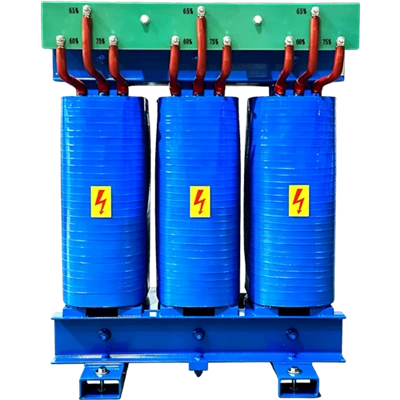


When comparing dry-type transformer quotations, you may find different temperature-rise ratings-even when the power ratings are the same. Does a lower rise mean a better transformer? And how does insulation class fit into the decision?
These details matter, especially if your transformer will operate in a hot electrical room or supply demanding loads. But a temperature-rise figure only tells part of the story.
This guide explains what transformer temperature rise means, how it differs from operating temperature and insulation class, and what to check before choosing a transformer for your installation.
1. What Is Transformer Temperature Rise?

What Is an Electric Reactor, And The Future Market Context-sourced: energy
Transformer temperature rise describes how much warmer a specified part of the transformer becomes than the surrounding cooling air. For dry-type transformer specifications, it commonly refers to average winding temperature rise under defined operating and test conditions.
For example, if the surrounding air is 30°C and the average winding temperature is 110°C, the temperature rise is:
110°C − 30°C = 80 K
A temperature difference of 80 K is numerically the same as an 80°C rise. It does not mean the winding is operating at 80°C.
When reviewing a quotation, check the conditions behind the rating, including load, ambient temperature, and cooling arrangement. Actual operating temperatures will vary with your installation.
Also, average winding temperature is different from the hottest point within the winding. An enclosure surface reading or a single sensor reading should not automatically be treated as the average winding temperature.

2. Temperature Rise vs. Winding Temperature vs. Insulation Class
When comparing transformer specifications, you may see several temperature-related terms. Each answers a different question.
| Term | What It Means |
| Ambient temperature | The temperature of the cooling air surrounding the transformer |
| Average winding temperature | The average temperature of a winding, commonly determined by resistance measurement during testing |
| Average winding temperature rise | The difference between the average winding temperature and the reference cooling-air temperature |
| Winding hot-spot temperature | The temperature at the hottest location within the winding |
| Insulation thermal class | The thermal classification of the insulation system; it is not the transformer's normal operating temperature |
A higher insulation class does not mean the transformer must run hotter. Designs using the same insulation class can have different rated temperature rises.
For your project, ask the supplier to confirm the insulation class, rated winding temperature rise, ambient conditions, and cooling method together. These details provide a clearer basis for comparison than any one number alone.
Alarm and trip settings should also follow the manufacturer's guidance for the installed sensors and transformer design.

3.Is a Lower Temperature Rise Always Better?
A lower temperature-rise rating can be useful, but it should not be your only reason for choosing a transformer.
Under comparable loading, ambient, and cooling conditions, a lower-rise design operates with a lower average winding temperature. This may be worth considering for a hot installation-but the supplier still needs to confirm suitability for your actual environment.
There can also be trade-offs in dimensions, weight, and purchase price. If efficiency matters, compare the specified no-load and load losses rather than assuming that the lowest temperature-rise rating means the lowest energy consumption.
Before comparing quotations, check that the ratings use the same:
- Rated power and loading conditions.
- Ambient temperature and altitude.
- Cooling method and enclosure arrangement.
- Applicable standard and test basis.
A lower-rise rating also does not automatically authorize extra loading. Any overload capability must be confirmed for the specific transformer and operating conditions.

4. Is a Lower Temperature Rise Always Better?
A lower temperature-rise rating can be useful, but it should not be your only reason for choosing a transformer.
Under comparable loading, ambient, and cooling conditions, a lower-rise design operates with a lower average winding temperature. This may be worth considering for a hot installation-but the supplier still needs to confirm suitability for your actual environment.
There can also be trade-offs in dimensions, weight, and purchase price. If efficiency matters, compare the specified no-load and load losses rather than assuming that the lowest temperature-rise rating means the lowest energy consumption.
Before comparing quotations, check that the ratings use the same:
- Rated power and loading conditions.
- Ambient temperature and altitude.
- Cooling method and enclosure arrangement.
- Applicable standard and test basis.
A lower-rise rating also does not automatically authorize extra loading. Any overload capability must be confirmed for the specific transformer and operating conditions.

5. What Affects a Dry-Type Transformer's Operating Temperature?
Your transformer's actual temperature depends on both its design and the conditions around it. When planning an installation or investigating higher readings, review these factors:
- Load: Sustained heavy loading increases winding losses. Share your expected load profile, including peaks and operating hours.
- Ambient temperature: A hot electrical room reduces the available thermal margin. Provide the expected temperature range.
- Ventilation: Blocked vents, insufficient clearances, or recirculating hot air can restrict cooling.
- Harmonic currents: Nonlinear loads, such as drives and rectifiers, can create additional losses. The load characteristics matter alongside total kVA.
- Altitude: Lower air density can affect cooling and may require a design adjustment or derating.
- Cooling arrangement: Natural-air and fan-assisted ratings have different operating conditions. Confirm which rating your installation relies on.
Sharing these details before ordering helps your supplier assess a transformer suited to the way you will actually use it.
Popular Models:

6.How Can You Tell Whether Your Transformer Is Overheating?
A high temperature reading can be concerning, but the number alone does not tell you whether your transformer is overheating.
Start by checking what is being measured. A winding sensor, an infrared surface reading, and an average winding temperature determined during testing represent different measurements.
Then review:
- Manufacturer's limits: Compare readings with the guidance and alarm settings for your specific transformer.
- Load and ambient conditions: Check whether either has changed or exceeded the specified operating conditions.
- Cooling: Look for obstructed ventilation, hot-air recirculation, or a fan fault.
- Temperature trends: A new or steadily increasing reading under similar conditions deserves investigation.
If an alarm operates or temperatures rise unexpectedly, follow the site's operating procedures and contact qualified personnel. Do not raise alarm settings simply to keep the transformer running.

7. What Should You Specify When Ordering?
You do not need to complete the thermal design yourself. Providing clear application details helps your supplier recommend a suitable transformer.
Include the following in your enquiry:
- Electrical ratings: Required kVA, primary and secondary voltages, and frequency.
- Load profile: Typical loading, operating hours, short-duration peaks, and nonlinear loads such as drives or rectifiers.
- Site conditions: Expected ambient temperatures and installation altitude.
- Installation arrangement: Enclosure requirements, available space, ventilation, and cooling method.
- Project specifications: Applicable standards, insulation class, temperature-rise requirements, and any required test reports.
If you are unsure which temperature-rise rating to request, share your installation conditions first. Ask the supplier to explain the proposed rating and confirm the conditions under which the transformer can deliver its specified capacity.
Conclusion
Temperature rise is most useful when you consider it alongside insulation class, loading, ambient temperature, and cooling conditions. Together, these details help you compare quotations and choose a transformer that fits your installation.
Need Help Reviewing Your Transformer Requirements?
Share your electrical specifications, load profile, and installation conditions with LTREACTOR. Our team can help you review suitable temperature-rise and cooling requirements for your dry-type transformer.
Get Transformer Selection Support
Frequently Asked Questions
1. Does a lower temperature rise mean higher efficiency?
Not necessarily. Temperature rise depends on losses and how effectively the design dissipates heat. To compare efficiency, request no-load and load-loss data under equivalent conditions rather than relying on temperature-rise ratings alone.
2. Can a low-temperature-rise transformer carry extra load?
Only if the manufacturer confirms that capability. A lower-rise rating does not automatically authorize overloading. Permissible loading depends on the transformer design, ambient conditions, cooling, load duration, and applicable loading guidance.
3. Is a winding sensor reading the same as average winding temperature?
No. A sensor measures temperature at its installed location. Average winding temperature is commonly determined by resistance measurement during testing. Use the manufacturer's guidance when interpreting sensor readings and setting alarms.
4. What if my electrical room exceeds the specified ambient temperature?
Ask the manufacturer to review the installation before operating beyond the specified conditions. Depending on the application, the solution may involve improved ventilation, reduced loading, or a transformer designed for the higher ambient temperature.